By Mitchell Ferman and Kevin Crowley
(Bloomberg) — The flow of dividends and buybacks from the world’s largest oil companies is under pressure, with fourth-quarter profits plunging and the return of President Donald Trump adding to the uncertainty.
The five global oil majors are set to post the lowest quarterly profits in more than three years when they begin reporting this week, according to data compiled by Bloomberg. A slump in crude prices takes most of the blame, but weak refining, trading, and chemicals also contributed.
The price of oil rebounded in early January, and Exxon Mobil Corp., Chevron Corp., Shell Plc, TotalEnergies SE, and BP Plc have built up their financial resilience during the boom years, but the uncertainty continues. Trump’s first days in office have whipsawed markets, with a potential increase in sanctions on Iran, Russia, and Venezuela, the threat of widespread tariffs that could depress economic growth, and the president’s re-entry into OPEC politics.
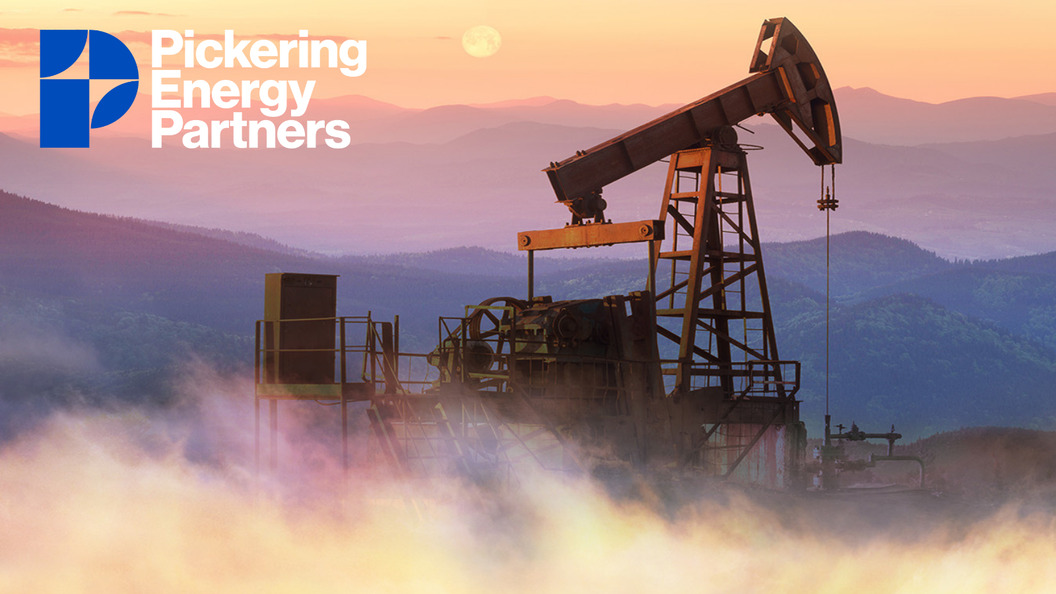
The industry has shown “excellent financial discipline, inexpensive valuation, strong balance sheets and free cash flow,” said Dan Pickering, co-founder of Pickering Energy Partners and a key financier of the US shale revolution. Even so, “energy stocks remain at the mercy of commodity prices, which now have an increasing component of Trump wildcards and geopolitical uncertainty.”
Generous dividends and share buybacks have become the cornerstone of Big Oil’s strategy. The commodities rally that followed the end of the Covid pandemic and Russia’s invasion of Ukraine spurred record profits, providing an opportunity to woo investors who had soured on the sector. It mostly worked, with four of the five Big Oil stocks reaching record highs between 2022 and 2024.
But after two years of stratospheric earnings, the industry came crashing back to earth in 2024. By year-end, Brent crude had plunged about 18% from its March high, and profit margins from making fuel and chemicals also collapsed.
Big Oil’s free cash flow, which underpins returns to investors, is expected to decline by almost a third to $21.9 billion in the fourth quarter, according to data compiled by Bloomberg. Dividends and buybacks are expected to amount to $28.7 billion, with the balance funded by borrowing.
“The sequential decline in commodity prices as well as refining margins are going to present some headwinds across the board,” said Ben Cook, a Dallas-based portfolio manager at Hennessy Funds, which oversees about $5 billion.
Most of the majors have relatively low levels of debt, meaning they could easily borrow money to maintain shareholder returns. BP, however, has signaled it may reduce its buyback, either when it reports earnings on Feb. 11 or updates its strategy on Feb. 26.
“BP’s debt levels have remained stubbornly high, due to the combination of aggressiveness on the buyback, as well as recent acquisitions,” RBC analyst Biraj Borkhataria said in a research note. “While management has dismissed concerns and pointed analysts to its credit-rating metrics, we believe BP’s high leverage versus its peers leaves its shareholder returns framework less defensive in a potential down-cycle.”
Trump Wildcards
A recovery in energy prices could ease these concerns about buybacks, and Brent crude is up about 3% so far this year. Whether this is sustainable will depend in large part on the priorities of the new Trump administration, which has an array of energy policies that could either be profoundly bullish or deeply bearish for global oil markets.
“In our recent conversations, refiners were more optimistic about the forward outlook,” Morgan Stanley analysts said in a research report. Yet Trump’s threat to impose tariffs on Canadian oil, which accounted for 60% of US crude imports in 2023 according to the Energy Information Administration, has disruptive potential for domestic refiners, the bank said.
Tariffs on Colombia, which were threatened then quickly reversed by the president on Sunday, would also have caused headaches for US refiners.
Even Trump’s “drill baby drill” mantra, intended to make it easier for the oil and gas industry to do business, doesn’t necessarily align with the interests of investors.
“Producers don’t respond to each administration, they work for the shareholders,” said Noah Barrett, Denver-based lead energy research analyst at Janus Henderson, which manages about $380 billion. “If any were to go gung-ho for growth, I’d expect a significant negative reaction in the share price.”
Shareholders will also be thinking twice after Trump made a direct request to OPEC to pump more barrels and drive down crude prices, said Pickering.
Shell kicks off earnings on Thursday, followed by Exxon Mobil and Chevron on Friday.
To contact the reporters on this story:
Mitchell Ferman in London at mferman13@bloomberg.net
Kevin Crowley in Houston at kcrowley1@bloomberg.net
To contact the editors responsible for this story:
James Herron at jherron9@bloomberg.net
Joe Ryan
.webp)